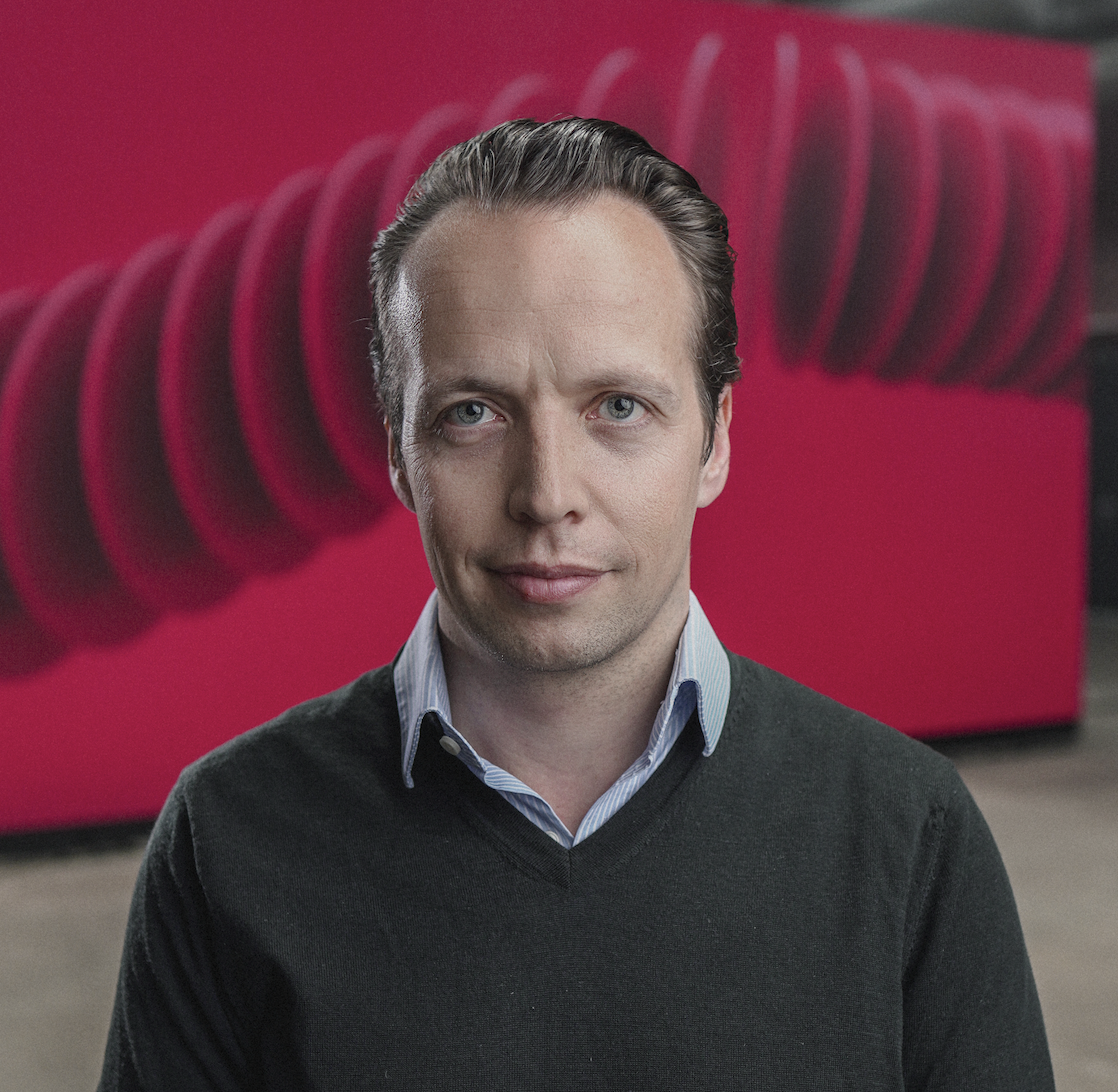
Jacob von Ingelheim is Chief Risk and Transformation Officer (CRTO) at Unzer, a fintech company providing payment and software solutions. With extensive industry experience, he has played a key role in shaping Unzer’s integration and transformation journey following multiple acquisitions over the past few years. He is also responsible for risk management and legal affairs. Before joining Unzer, Jacob held senior leadership roles at BillPay, Sofort, and Klarna, where he gained deep insights into the payments industry.
Unzer’s goal is to offer customers a fully integrated ecosystem of payment and software solutions across the entire commerce value chain. How important have acquisitions been in making that vision a reality?
First of all, it’s probably worth explaining what Unzer actually does. At its core, we help businesses digitalize commerce through simple, integrated payment and software solutions. Whether it’s online shopping, in store payments, checkout processes, or everyday business operations, we want merchants to get everything from one provider. The idea is to make commerce easier and more efficient for businesses, while creating a seamless experience for consumers.
To make that happen, we acquired twelve companies over the last few years. Some were quite small, for example network operators with only a handful of employees that were relatively easy to integrate. Others were much larger companies with around a hundred employees and decades of market experience.
That’s one of the reasons Unzer today has around 750 employees across eight offices in Germany, Austria, Denmark, and Luxembourg. A large part of that growth came through acquisitions.
Each larger acquisition added a specific capability to our ecosystem. Our Danish entities strengthened our acquiring business, Frankfurt brought debt collection expertise, and a large part of our Berlin office contributes modern POS software solutions.
So acquisitions were a key building block of our strategy because they allowed us to combine technologies, expertise, and products much faster than we could have built them ourselves. And I say that deliberately in the past tense because we’ve largely completed that phase. We’re still generally open to acquisitions, but they’re no longer the main focus of our strategy today.
How did you decide which companies were the right acquisition targets as part of that ecosystem transformation?
For us, it was always about finding the missing piece of the puzzle. We looked very closely at where our ecosystem still had gaps, whether on the product side, the technology side, or in terms of capabilities and services we needed to offer merchants a true one stop shop.
Then we asked ourselves whether a potential target could realistically close those gaps. Of course, technical fit mattered, but cultural fit was just as important. We were looking for companies that were already successful in their markets and technologically strong in their field.
At the end of the day, the key question was always: does this company strengthen our ecosystem and make our platform more seamless for merchants and consumers? If the answer was yes, then it became interesting for us.
Based on your experience, what are the key success factors when integrating and restructuring acquired companies? And how do you define whether an acquisition has been successful?
As I mentioned, most of the companies we acquired were already well established. Clearhaus, for example, is one of the best known fintech pioneers in Denmark and Scandinavia. Quickpay is also one of the leading payment providers in Denmark and serves around a third of all webshops there.
That obviously comes with huge advantages, but also with challenges. Because integrations are never just about processes or IT systems. Every acquisition brings its own culture, values, and ways of working.
On the organizational side, you need to merge teams, redefine roles, and harmonize processes. Technically, you need to bring different systems onto one scalable platform while still meeting regulatory and compliance requirements.
I’ll give you a simple example. Before integration, eight of our subsidiaries each had their own finance leads working in fairly broad generalist roles. After consolidation, we built a centralized finance organization with more specialized roles. That made us more efficient, but it also created new development opportunities for employees. Of course, that only works if people are willing to grow into those specialist roles.
Another example: if you run one company with 80 employees in a single country, you can easily work with an external tax advisor. But once you have eight legal entities across multiple countries, some of them regulated, complexity increases dramatically. Suddenly you need intercompany agreements, dedicated tax expertise, and much more formalized structures. The larger the organization becomes, the more complexity you create.
That’s why restructuring and integration never happen on paper alone. You need a clear vision, time, a lot of personal conversations, and very transparent communication. What we learned at Unzer is that change only works if people understand the “why” behind it. Employees need to understand why certain changes are necessary. Without that shared understanding and shared values, even technically perfect integrations stay superficial.
That’s why I genuinely believe culture is the hardest and most important success factor in any transformation.
Can you expand on that?
Absolutely. When one company acquires another, almost everything changes internally. Processes change, systems change, regulatory requirements change, and teams are reorganized.
For us, the biggest challenge was turning the synergies we saw on paper into measurable and tangible value while building one common standard across the company. Internally, we call it “One Unzer Everywhere.” That means clear processes, structured data flows, and standardized ways of working. But when teams from different companies and countries suddenly become part of one organization, friction is inevitable.
What we learned is that transformation needs a clear purpose, a vision, and very open and honest communication. We are a service business, so our employees are the foundation of our success. That makes it essential to bring people along transparently and honestly throughout the process. Not everyone naturally embraces change, but change is often necessary if you want to prepare a company for the future.
It was incredibly important for us to clearly explain the value and purpose behind the transformation and create acceptance for it. Open communication became one of the most important success factors. We didn’t just change structures. We invested heavily in personal exchange and relationship building across locations.
Regular in person meetings, direct conversations, and full transparency around quarterly and annual goals helped create stronger alignment and a shared understanding of our values and direction. Despite cultural differences between teams and countries, we built a communication culture based on respect, openness, and collaboration.
Transparency is a huge part of that. Since 2023, we’ve used a system that makes individual, team, and company goals visible across the organization. We also run virtual all hands meetings, internal communication channels, and in person events to encourage open dialogue.
One thing that’s especially important to us is our speak up culture. Everyone should feel comfortable sharing their opinion without fear of negative consequences.
We also run anonymous employee surveys twice a year. The results directly feed into concrete action plans and are built into management objectives. Our HR teams work closely with leaders to address specific issues within teams and departments.
One initiative I’m particularly proud of is our annual CXO roadshow, which we launched in 2023. At least three members of the executive team visit all eight offices to speak directly with employees. We hold open Q&A sessions, collect feedback, and then work through the ideas in dedicated working groups. On top of that, we also offer open office hours with management and even a virtual idea mailbox.
How can the finance function support integration and restructuring? And how much is finance itself part of the transformation?
At the end of the day, every acquisition is based on a financial hypothesis. You acquire a company because you believe it will create value, and those financial goals need to stay visible throughout the transformation. That’s important not only for investor credibility, but also internally. We’ve seen that employees identify much more strongly with change when they can actually see the results and celebrate success together.
From my perspective, finance is one of the central functions holding everything together. It doesn’t just provide the numbers showing where synergies and opportunities exist. It also creates the transparency needed to make sound decisions.
Without a strong finance function, it would be extremely difficult to harmonize processes across different companies, manage budgets properly, or handle internal charging structures cleanly.
So finance supports transformation by creating transparency, harmonizing processes, and providing steering mechanisms. But at the same time, finance itself is also transforming. It moves from being a largely operational function into becoming a strategic business partner for the entire company.
Voices from our Leadership

Retail needs less complexity, not more digitalisation
Retailers are ready to invest, but not in another system

AI at Work: Why Adoption Stalls, and How to Finally Get to Real Use